
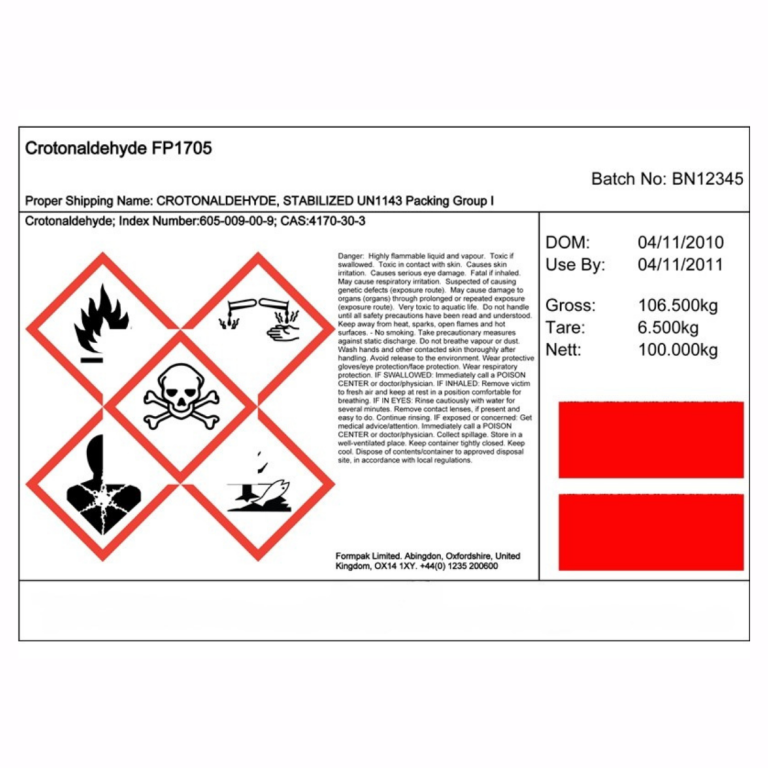
The Ultimate Guide to Chemical Drum Labels: Templates, Requirements, and Best Practices
When it comes to packaging hazardous materials, accuracy, and compliance are non-negotiable. Chemical drum labels not only identify the contents of a drum but also provide vital safety information for handling and storage. In this comprehensive guide, we’ll explore every aspect of chemical drum labeling, from templates and resources to drum labeling requirements and best practices for custom solutions.
What Are Chemical Drum Labels and Why Are They Important?
Chemical drum labels serve as a crucial communication tool between manufacturers and end-users. They provide a clear understanding of what’s inside the drum, the hazards associated, and the proper steps for safe handling. Beyond compliance, well-designed labels also enhance brand credibility and consumer trust.
For businesses dealing with hazardous substances, adhering to chemical drum labels standards protects both people and the environment. These labels act as a frontline defense against accidents and costly regulatory violations.
The Different Types of Chemical Drum Labels
When creating or sourcing labels for your chemical drums, there are several types to consider, tailored to specific needs and regulatory requirements. Key types include:
- Hazard Communication (HazCom) Labels: Ensure compliance with OSHA standards, particularly for workplace safety.
- Globally Harmonized System (GHS) Labels: Used for global compliance in identifying hazardous chemicals through consistent symbols and phrases.
- Custom Chemical Drum Labels: Designed specifically to your needs, whether for branding or other unique requirements.
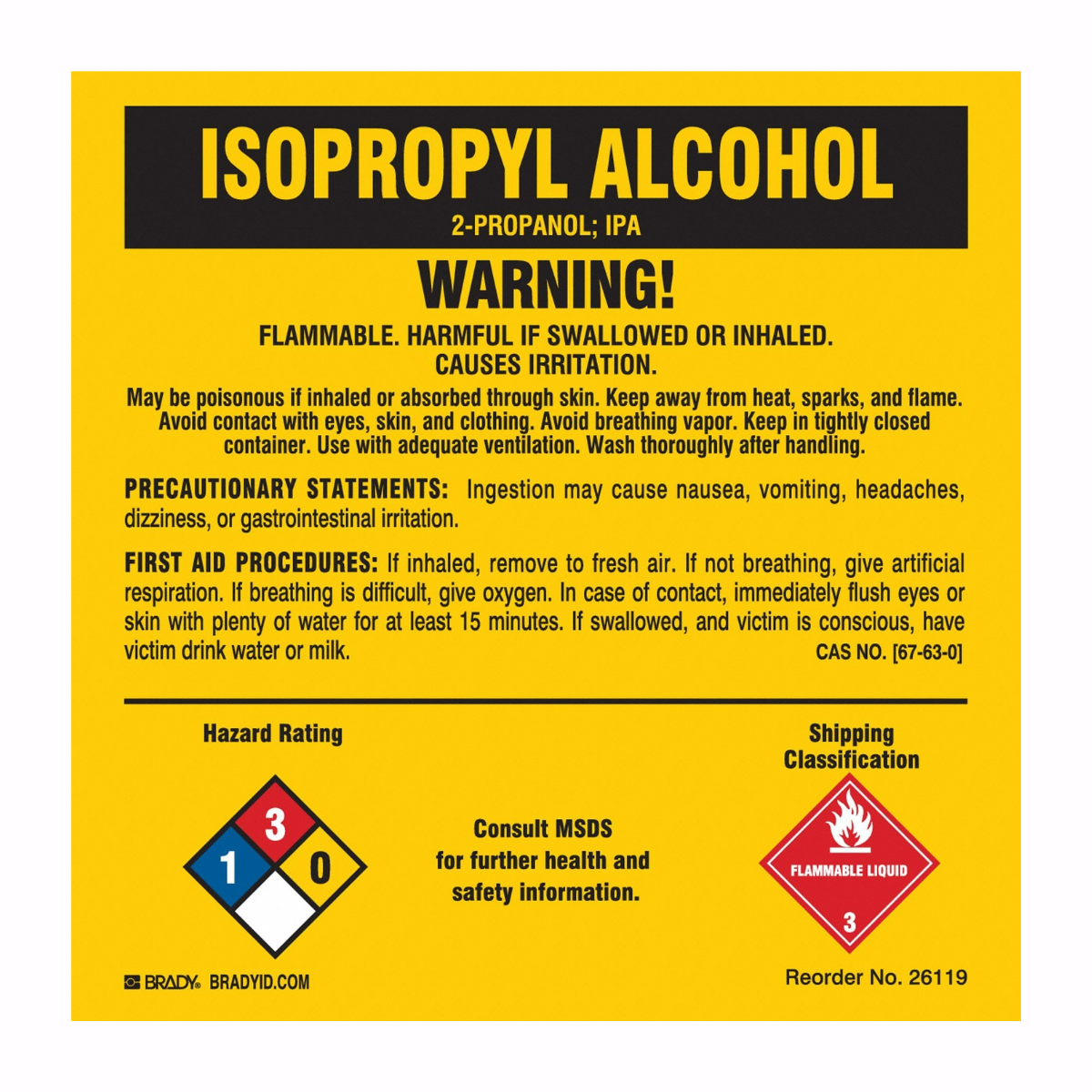
Creating Chemical Drum Labels: Tools, Templates, and Best Practices
Designing chemical drum labels requires careful consideration of both legal standards and the specific needs of your operation. Here’s how to do it effectively:
1. Use Templates for Compliance and Convenience
Templates simplify the label creation process by providing preformatted designs that meet industry and regulatory standards. Searching for a chemical drum labels template online can provide a great starting point. Options often include labels compliant with OSHA and GHS guidelines.
For quick solutions, a drum label template can streamline the process while ensuring compliance. Many platforms also offer chemical drum labels in printable formats for added convenience.
2. Make Use of Printable Resources
If you’re looking to create physical labels quickly, chemical drum labels printable resources are your best bet. These printable designs allow you to test and validate label designs before running large print batches. Ensure that your printing technology supports durable, weather-resistant materials for long-term usability.
3. Explore Free Labeling Options
For small businesses or startups, cost-effective solutions like chemical drum labels free can help you stay compliant without breaking the bank. Many vendors offer free standard templates or chemical drum labels pdf downloads to serve this purpose.
4. Customize Labels for Unique Needs
When off-the-shelf solutions fall short, custom chemical drum labels are the way to go. These labels can be tailored with specific branding elements, unique warnings, or multilingual instructions depending on the target audience.
Understanding Drum Labeling Requirements
Compliance isn’t optional when it comes to chemical drum labeling. Major standards include OSHA’s Hazard Communication Standard (HCS), GHS requirements, and DOT-specific labeling for transportation. Here’s what you need to know:
| Regulation | Requirement | Applicability |
|---|---|---|
| OSHA Hazard Communication | Requires labels to contain product identifier, signal word, hazard statement, precautionary statements, and supplier identification. | Workplace Safety |
| GHS | Globally recognized standards for labeling hazardous materials using pictograms and prescribed phrases. | International Compliance |
| DOT Labeling | Transportation labeling focusing on handling chemical substances during transit. | Logistics and Shipping |
Understanding these drum labeling requirements ensures safety and avoids costly fines or disruptions in your supply chain. Whether for 55-gallon drums or smaller containers, ensuring proper labeling is a top priority.
Conclusion
Chemical drum labeling is essential for industrial safety, regulatory compliance, and operational efficiency. Using tools like a reliable chemical drum labels template, printable resources, and custom design options can simplify the entire process while meeting rigorous standards. By following best practices and understanding the requirements specific to 55-gallon drums or smaller units, you can create labels that safeguard your workforce, customers, and reputation.
If you’re ready to elevate your labeling process, explore the services from Roll Stickers Co. Our expertise in providing top-tier custom chemical drum labels ensures both compliance and superior quality.
