
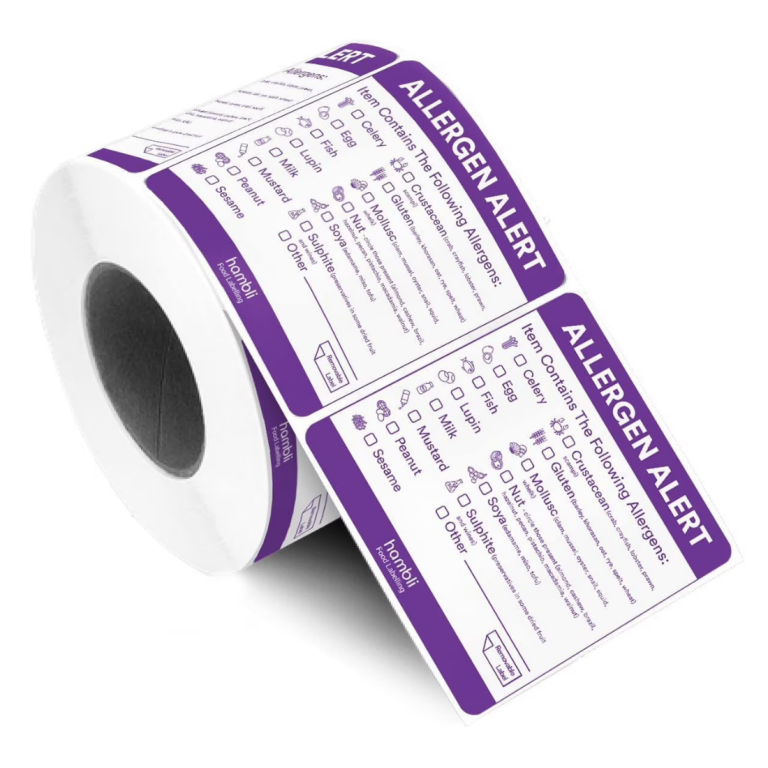
The Essential Guide to Allergy Labels: Ensuring Safety with Customized Stickers
In today’s world, managing food allergies is a serious priority for manufacturers, bakers, schools, and medical professionals. Clear labeling has become essential to ensure consumer and patient safety, especially when dealing with potential allergens. From Allergen Info Stickers for food packaging to allergy stickers for medical charts, customized solutions are indispensable tools for ensuring clarity and safety.
Why Allergy Labels Are Crucial
Millions of people live with severe or life-threatening allergies to common ingredients like nuts, dairy, gluten, or shellfish. For businesses that sell or serve food, and even for individuals managing children’s diets or medical records, the risks of exposure to allergens can be mitigated with proper labeling. Allergy labels are more than just compliance requirements—they are tools of safety, trust, and transparency.
Consider an Allergy Warning Label for Bakery: it notifies customers if specific goods may contain allergens or were manufactured in a shared facility, allowing consumers to make informed choices. By including this vital information, business owners reduce liability risks while protecting public health.
Types of Allergy Labels and Their Uses
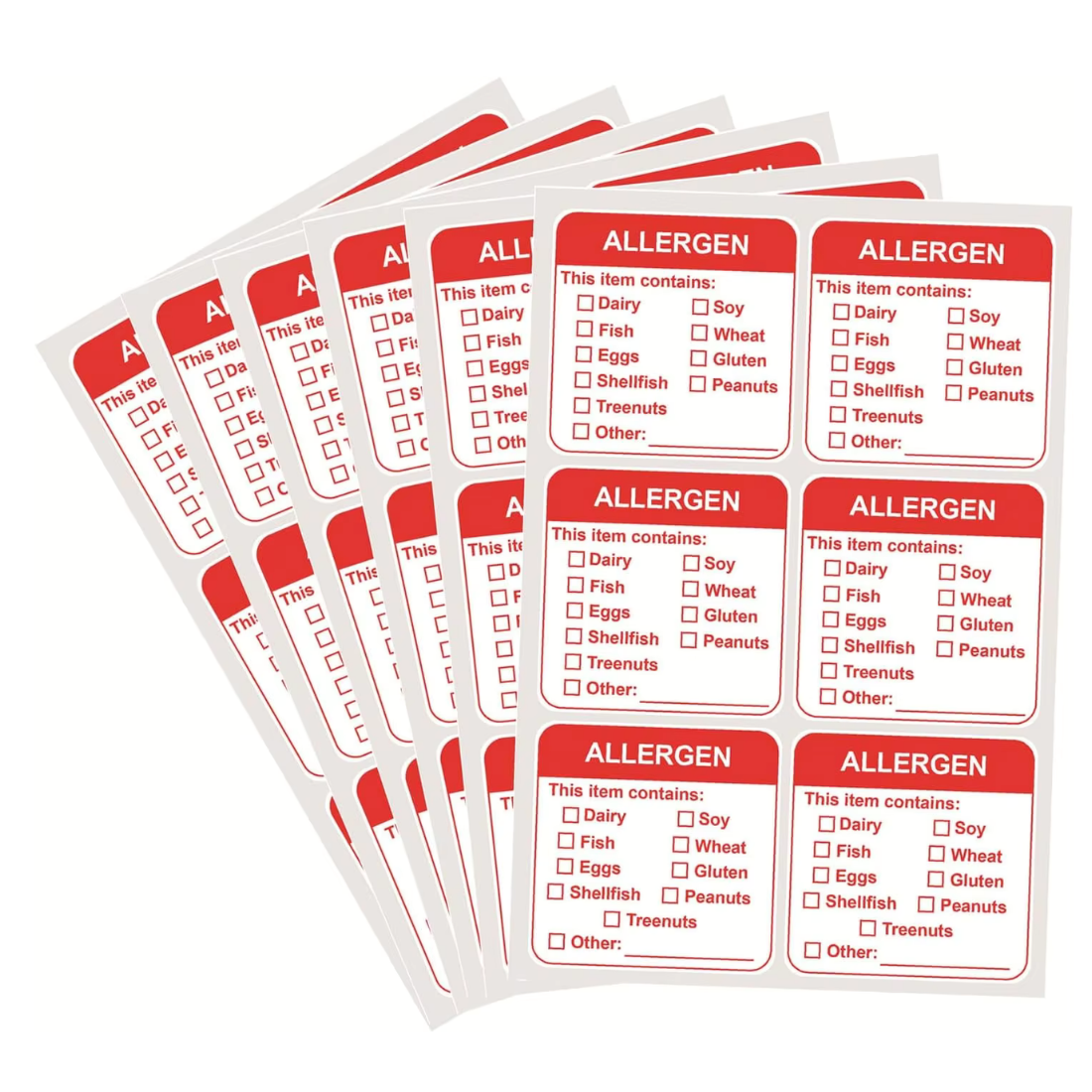
Allergy labels come in various forms, tailored to specific applications and customer needs. Below are some of the most common types:
| Type of Allergy Label | Primary Use | Benefits |
|---|---|---|
| Food Allergen Labels | Packaged food products | Ensure legal compliance and help customers avoid allergens |
| Allergy Stickers for Medical Charts | Healthcare records | Provide vital allergy information to medical professionals |
| Allergy Stickers for Kids | School lunches or personal items | Protect children by informing caregivers of allergy risks |
| Allergen Warning Labels | Bakery or restaurant menus | Ensure transparency in food allergen exposure |
Steps for Creating Effective Allergy Labels
Designing a clear and effective allergy label requires expertise and attention to detail. Based on decades of experience in the packaging industry, here’s how we ensure success:
1. Understand Your Audience: Identify the specific needs of your customers. Allergy Stickers for kids, for example, should feature bright colors and playful designs for visibility. On the other hand, Allergy Warning Label for Bakery products should include detailed text for an adult audience.
2. Use Clear Wording: Labels must be concise yet comprehensive. Include an exact allergen list to minimize confusion. For example, an Allergy warning label example for a nut-free item might read: “Product made in a nut-free facility but may contain traces of dairy.”
3. High-Quality Materials: Stickers should be durable, waterproof, and resistant to wear and tear, ensuring they remain intact during shipping, storage, or handling.
4. Conduct Testing: Perform an Allergy sticker test to confirm that labels adhere to all packaging types and remain readable under various conditions.
Designing Custom Allergen Stickers: The Expert Edge
As a leading manufacturer of custom packaging solutions, we specialize in creating allergy labels tailored to your needs. Our Custom Allergen Info Stickers use advanced printing techniques, allowing for vivid colors and crisp, legible text.
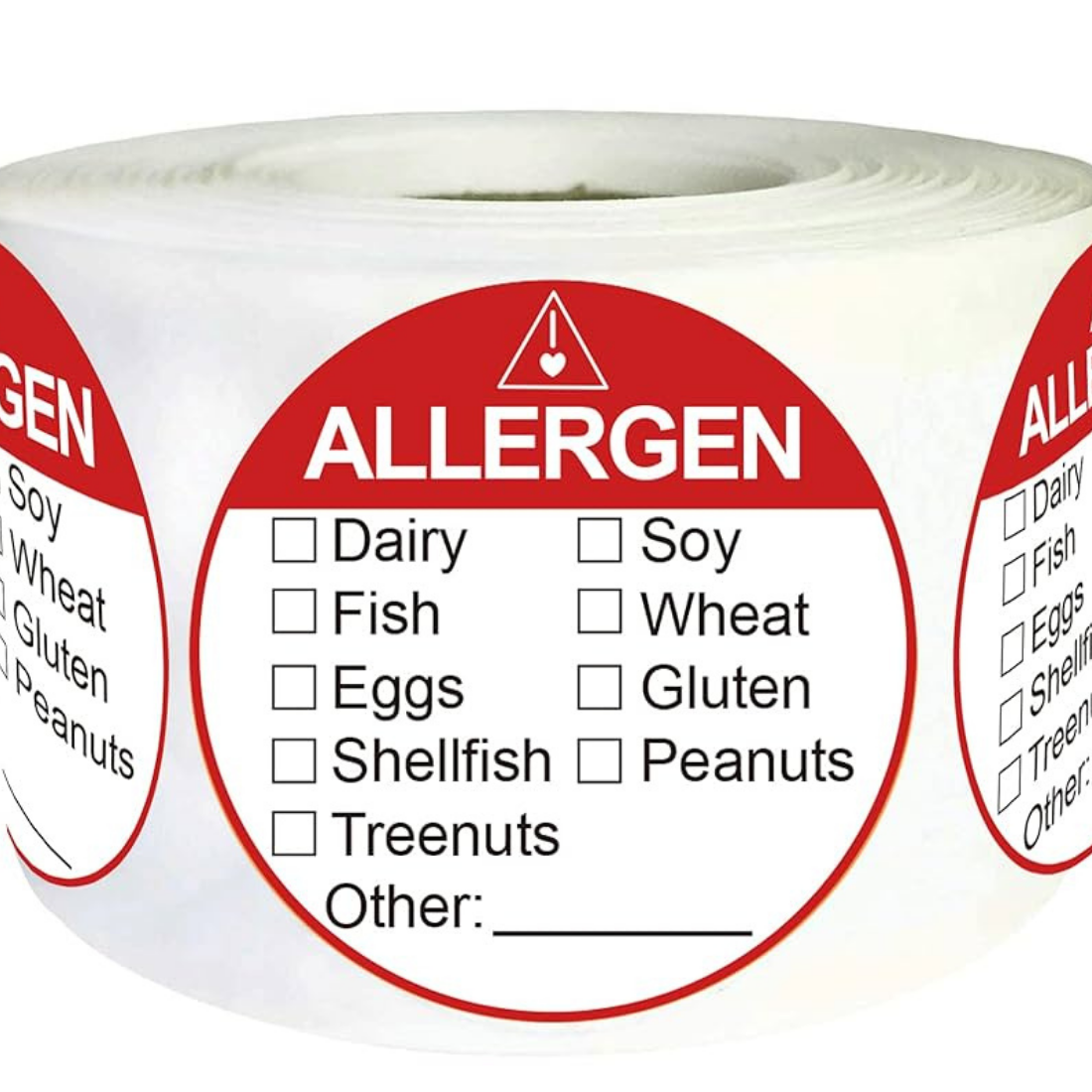
For instance, Custom Allergen Info Stickers can feature bold fonts and vivid iconography, alerting consumers instantly to potential risks. Such stickers play a critical role in maintaining a safe environment across industries.
Regulations Governing Allergy Labels
Compliance with labeling legislation significantly varies depending on your location and industry. However, there are universal principles that apply everywhere:
- Identify Major Allergens: Include the most common food allergens, such as peanuts, milk, eggs, wheat, soy, fish, and shellfish.
- Provide Allergy Warnings: Use Allergen Stickers to indicate cross-contamination risks.
- Ensure Label Accessibility: Labels must be readable for all customers, including those with visual impairments. Consider large fonts, contrasting colors, and Braille if necessary.
Working with professionals in the packaging industry ensures regulatory compliance without compromising on creativity or functionality.
Conclusion
Allergy warnings and labels are indispensable tools for ensuring safety, transparency, and trust. Whether you need Food Allergen Labels for retail products, Allergy Stickers for medical charts, or colorful Allergy Stickers for kids, selecting the right design and material is critical for success. At Roll Stickers Co, we leverage unparalleled industry expertise to deliver premium custom packaging solutions that meet your exact requirements. Stay a step ahead in safety by partnering with us for your allergy labeling needs.
